On June 15, 2026, Saudi Arabia faces Uruguay in their opening 2026 FIFA World Cup group stage fixture at Hard Rock Stadium in Miami Gardens, Florida - a high-profile encounter available on dozens of broadcasters worldwide, but almost none accessible outside their licensed territory without technical assistance. For viewers abroad, a Virtual Private Network remains the most practical and widely adopted method of reaching geo-restricted streams legally and without hardware changes.
Where to Watch: Broadcast Rights by Country
Rights to this fixture are distributed across a wide array of free-to-air and subscription platforms. In Saudi Arabia, beIN SPORTS holds exclusive broadcast rights across the Middle East and North Africa, airing live coverage on its dedicated MAX channels and via the beIN CONNECT app. In Uruguay, the fixture is available free-to-air on the national public broadcaster Canal 5 and via Antel TV, the country's public digital streaming platform. Subscribers to DirecTV Sports (DSports) and its DGO streaming app in Uruguay can also access full tournament coverage across all 104 fixtures.
Broader regional availability spans most of the world. A selection of key broadcasters by country:
- Australia: SBS / SBS On Demand (free-to-air)
- Brazil: Globo, SBT, CazéTV, SporTV, Globoplay
- Canada: TSN1, CTV, Crave, RDS App
- France: M6, beIN Sports 1, 6play, myCANAL
- Germany: ZDF, MagentaTV
- Italy: RAI 1, RaiPlay, DAZN Italia
- Japan: DAZN Japan
- Mexico: Canal 5 Televisa, Azteca 7, ViX Mexico
- New Zealand: TVNZ 1, TVNZ+
- United Kingdom / Ireland: RTÉ (Ireland); check BBC/ITV for UK coverage
- United States: Coverage distributed across Fox, Telemundo, and associated streaming platforms
A full worldwide listing includes Afghanistan (ATN), Albania (TV Klan), Argentina (Telefe, DIRECTV Sports, Paramount+), Austria (ORF eins), Belgium (La Une, Sporza), Bolivia (Red Uno, Tigo Sports), Bosnia and Herzegovina (Arena Sport), Bulgaria (BNT), Chile (Chilevision, Disney+ Premium), Colombia (Caracol TV, RCN), Croatia (HRTi), Czechia (ČT Sport), Denmark (TV2 Denmark), Ecuador (Teleamazonas, DIRECTV Sports), Finland (MTV3), Indonesia (TVRI, Vidio), Norway (TV 2), Peru (DIRECTV Sports, Disney+ Premium), Portugal (Sport TV), Romania (Antena 1), and many others.
How a VPN Unlocks Geo-Restricted Streams
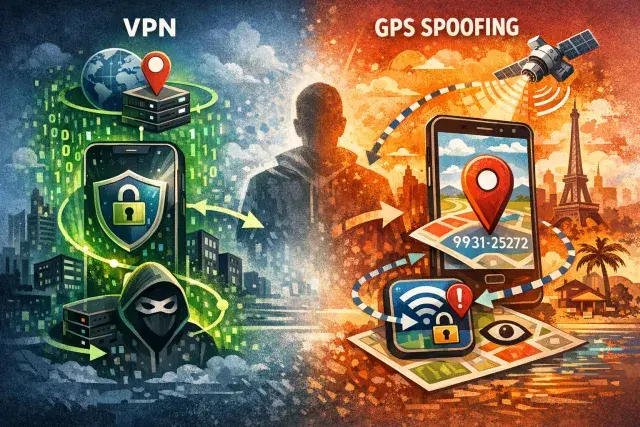
Streaming platforms enforce geographic restrictions through IP address detection - a broadcast rights condition imposed by licensing agreements, not technical preference. When a user's IP address falls outside the licensed territory of a given platform, access is denied. A VPN circumvents this by routing the user's connection through a server located in the target country, replacing the user's visible IP address with one native to that region. From the platform's perspective, the request originates locally.
The process involves three steps. First, sign up for a reliable VPN provider - ExpressVPN, NordVPN, and Surfshark are among the most established options - and install the app on your device. Second, connect to a server in the country where your preferred broadcaster operates. Third, open the streaming platform, log in with a valid account, and begin viewing.
It is worth understanding what a VPN does and does not provide. The encryption layer protects data in transit between your device and the VPN server, which is valuable on public or untrusted networks. However, a VPN does not grant access to platforms that require a paid subscription - users still need a valid account on the target service. Some platforms actively detect and block known VPN IP address ranges, which is why provider choice matters: premium paid services generally maintain larger, more frequently rotated server pools than free alternatives.
Key Fixture Details
- Fixture: Saudi Arabia vs Uruguay
- Date: Monday, June 15, 2026
- Kick-off: 6:00 PM local (Miami) / 11:00 PM BST
- Venue: Hard Rock Stadium, Miami Gardens, Florida, USA
For viewers in regions with free-to-air coverage - Australia, Uruguay, Germany, Ireland, and others - no VPN is required. For those in countries without broadcast rights or with access limited to paywalled platforms, a VPN connected to a territory with free-to-air availability offers a practical alternative, provided local laws permit its use. VPN legality varies by jurisdiction: the technology is lawful in most countries, though a small number of states restrict or prohibit its use entirely.