You no longer need to wait for a seasonal sale to secure a genuinely competitive deal on a VPN subscription. Several of the most well-regarded providers - NordVPN, ExpressVPN, and PureVPN among them - are currently offering discounts of up to 82 percent on multi-year plans, with additional months of free access bundled in. For anyone who has been considering installing a VPN and keeps deferring the decision, the financial case for acting now is straightforward.
What a VPN Actually Does - and Why It Matters
A Virtual Private Network creates an encrypted tunnel between your device and the wider internet. Every piece of data that passes through that tunnel - the websites you visit, the files you download, the messages you send - is scrambled so that third parties cannot read it. That includes your broadband provider, public Wi-Fi operators, advertisers, and anyone else monitoring network traffic.
The practical consequences of this are substantial. Without a VPN, your internet service provider can see every website you visit and, in many jurisdictions, is legally permitted to log and share that data with advertisers or government agencies. Public Wi-Fi networks - in airports, coffee shops, hotels - are notoriously easy to intercept, making them a favoured environment for credential theft. A VPN neutralises both threats at once.
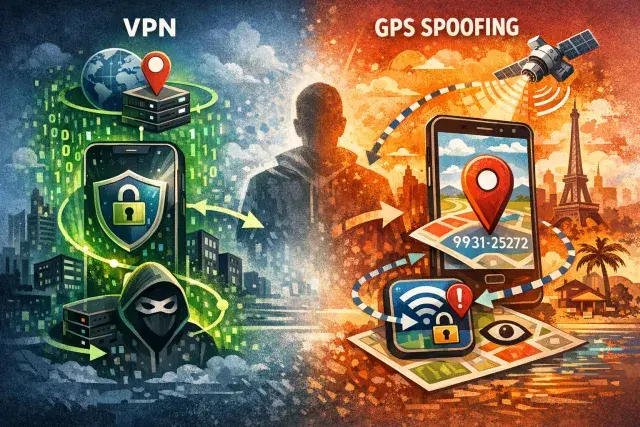
Beyond privacy, a VPN allows you to change your apparent IP address - the numerical identifier that places your device at a rough geographic location whenever you connect to a service. Switching to a server in another country makes it appear as though you are browsing from there. This unlocks content that is geo-restricted on streaming platforms, lets you access services unavailable in your region, and can surface different pricing on flights, hotels, and car hire, since travel companies frequently adjust their rates based on where a visitor is connecting from.
How to Read a VPN Deal Without Being Misled
The headline discount figures attached to VPN promotions - sometimes exceeding 80 percent - are calculated against the provider's standard monthly rolling rate, which is almost always inflated relative to their long-term plans. The genuine comparison is between providers at equivalent subscription lengths. On that basis, the current offers are competitive: NordVPN's Basic plan works out at approximately £2.29 per month over a two-year commitment, while ExpressVPN's 28-month bundle lands at roughly £2.49 per month.
The single most important factor when committing to a longer plan is the money-back guarantee. Most reputable providers offer at least 30 days, which gives you sufficient time to test the service across your typical use cases - streaming, file downloads, video calls - before the refund window closes. ExpressVPN currently extends a 30-day guarantee to new subscribers. Any provider unwilling to offer this kind of assurance deserves considerably more scrutiny before you hand over payment details.
It is also worth understanding what a given plan includes beyond the core VPN tunnel. Several providers now bundle password managers, ad and tracker blockers, malware scanning on downloads, and encrypted cloud storage into their standard subscriptions. NordVPN, for instance, includes all of the above in its current deal. ExpressVPN adds a private email relay service - a tool that masks your real email address when signing up for online accounts, reducing spam and data exposure. These are not trivial additions; comparable standalone tools carry their own monthly fees.
Free VPNs, Logging Policies, and What to Watch For
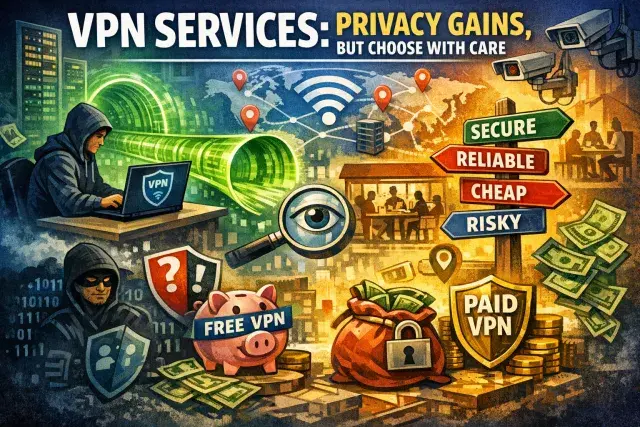
The market is crowded with free VPN options, and the risks attached to them are well-documented at a conceptual level. If a provider is not charging for the service, the revenue has to come from somewhere. In practice, this frequently means the sale of anonymised - or not sufficiently anonymised - user data to advertising networks. The very problem a VPN is supposed to solve can be reintroduced by choosing the wrong provider.
Logging policy is the critical variable. A provider that keeps detailed records of your browsing activity, connection times, and originating IP addresses can hand that data over to authorities or have it exposed in a breach. Reputable paid providers typically operate under verified no-logs policies, meaning they collect no information that could identify a user's activity. Some submit to independent audits to substantiate this claim. When evaluating any VPN, the provider's jurisdiction matters too: a company headquartered in a country with mandatory data retention laws or membership of intelligence-sharing alliances operates under very different legal pressures than one based in a more privacy-protective regulatory environment.
Choosing the Right Provider for Your Needs
The three providers featured in the current promotions represent distinct but overlapping use cases. NordVPN suits users who want broad security features integrated into a single subscription - the combination of VPN tunnelling, ad blocking, password management, and malware scanning covers most of a privacy-conscious user's needs without requiring multiple separate services. Its 195 server locations provide solid flexibility for geo-switching.
ExpressVPN has built its reputation primarily on speed and streaming reliability. Its dedicated team maintaining access to platforms like Netflix, Hulu, and ITVX makes it the more logical choice for users whose primary motivation is unlocking international content libraries. The 12-device simultaneous connection limit is among the more generous in the industry, which matters for households with multiple people and devices using the service concurrently.
PureVPN's current deal - 82 percent off with three additional months free - makes it the most aggressively priced of the three, suitable for budget-conscious users who want reliable core functionality without the premium feature layers of its competitors. As with any long-term subscription, verifying the refund policy and testing the service promptly after sign-up remains the prudent approach.
- Check the money-back guarantee period before committing to any multi-year plan
- Review the provider's logging policy and the jurisdiction in which it is incorporated
- Test streaming performance and connection speeds across your most common use cases within the refund window
- Consider what bundled tools - password managers, ad blockers, breach monitoring - are included and whether they replace services you currently pay for separately
- Avoid free VPN services unless the provider's revenue model and data handling practices are fully transparent
Privacy tools have moved steadily from niche concern to mainstream necessity as data collection has become the structural foundation of the online advertising industry. A well-chosen VPN subscription is, at current prices, one of the more cost-effective steps an individual can take to reduce their digital exposure - without meaningfully disrupting the experience of using the internet.